
What’s Great About Historic Haworth?
Nestled in the heart of West Yorkshire, the picturesque village of Haworth is one of the most iconic destinations in northern England. Known for its cobbled streets, dramatic moorland scenery, and literary heritage, this history of Haworth is essential reading for anyone searching for Haworth history, Brontë Country tourism, and things to do in West Yorkshire.
Early History of Haworth
The origins of Haworth date back to the medieval period, when it was a small rural settlement surrounded by farmland and open moorland. The name “Haworth” is believed to derive from Old English, meaning “enclosure by a hedge.”
For centuries, Haworth remained relatively isolated due to its elevated location on the edge of the Pennines, which contributed to its strong sense of community and unique character. Its early economy was based on agriculture, hand weaving, and local trade, making it a typical Yorkshire moorland village.
Haworth and the Industrial Revolution
During the Industrial Revolution in England, nearby towns such as Keighley expanded rapidly through textile manufacturing. While Haworth itself did not industrialise to the same extent, it became closely linked to the booming Yorkshire textile industry.
Many residents worked in mills in surrounding areas, and the village saw modest growth as transport and employment opportunities improved. This connection makes Haworth an important part of the wider industrial heritage of West Yorkshire.
The Brontë Sisters and Literary History
Haworth is world-famous as the home of the Brontë sisters—Charlotte Brontë, Emily Brontë, and Anne Brontë.
Their residence, now the Brontë Parsonage Museum, is one of the most important literary landmarks in the UK. It was here that some of the greatest works of English literature were written, including:
- Jane Eyre
- Wuthering Heights
- The Tenant of Wildfell Hall
The surrounding moorland inspired the dramatic settings of these novels, making Haworth a global centre for literary tourism in England and a must-visit destination for fans of classic English literature.
Railways and Victorian Development
The arrival of the Keighley and Worth Valley Railway in the 19th century improved access to Haworth and boosted visitor numbers. Originally built to serve local industry and communities, the railway now operates as a heritage line, attracting tourists interested in steam trains, Yorkshire history, and scenic rail journeys.
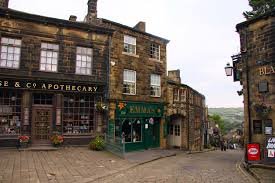
Haworth’s famous Main Street, lined with historic stone buildings, dates largely from this Victorian era and remains one of the most photographed streets in West Yorkshire tourism.
Haworth in the 20th Century and Beyond
Unlike many industrial towns, Haworth preserved much of its historic charm. As traditional industries declined, the village reinvented itself as a centre for:
- Heritage tourism in Yorkshire
- Cultural and literary festivals
- Countryside walking and outdoor activities
Today, Haworth attracts visitors from around the world searching for:
- Brontë Country travel guide
- historic villages in Yorkshire England
- things to do in Haworth West Yorkshire
Attractions and Things to Do in Haworth
Haworth offers a rich mix of historical and cultural attractions:
- Brontë Parsonage Museum – a must-visit for literary enthusiasts
- Keighley and Worth Valley Railway – iconic steam railway experience
- The Yorkshire moors – perfect for walking and exploring Brontë landscapes
- Independent shops, cafés, and traditional pubs along Main Street
These highlights make Haworth one of the top destinations for UK heritage travel, literary tourism, and countryside escapes.
Conclusion
The history of Haworth is a unique blend of rural tradition, literary greatness, and preserved heritage. From its medieval origins to its global fame through the Brontë sisters, Haworth continues to captivate visitors seeking Yorkshire history, Brontë heritage, and authentic English village experiences.